Shopping in La Paloma and wondering if your mortgage will count as a jumbo? You are not alone. Many homes in this gated, golf-oriented area sit near or above the conforming loan limit, which is the line between a standard conventional loan and a jumbo loan. In a few minutes, you will learn what defines a jumbo in Arizona, how lenders underwrite these loans, what to expect for down payments and reserves, how rates behave, and how to plan your timeline in a luxury community. Let’s dive in.
What makes a loan jumbo in Arizona
A jumbo mortgage is any loan amount above the conforming loan limit set by the Federal Housing Finance Agency. If your loan exceeds the current Pima County limit, it is considered a jumbo and follows different rules. You can verify the latest county limit on the FHFA website using the conforming loan limit tool.
- Check your county’s current limit: see the FHFA’s conforming loan limits page for the most up-to-date figures.
- Conforming rules are set for loans purchased by Fannie Mae and Freddie Mac. For reference, see the Fannie Mae Selling Guide and the Freddie Mac Seller/Servicer Guide for program eligibility details.
According to these agencies, limits are updated annually. Because numbers change, confirm the current Pima County limit before deciding if your loan is jumbo.
Are La Paloma homes likely to need jumbo financing?
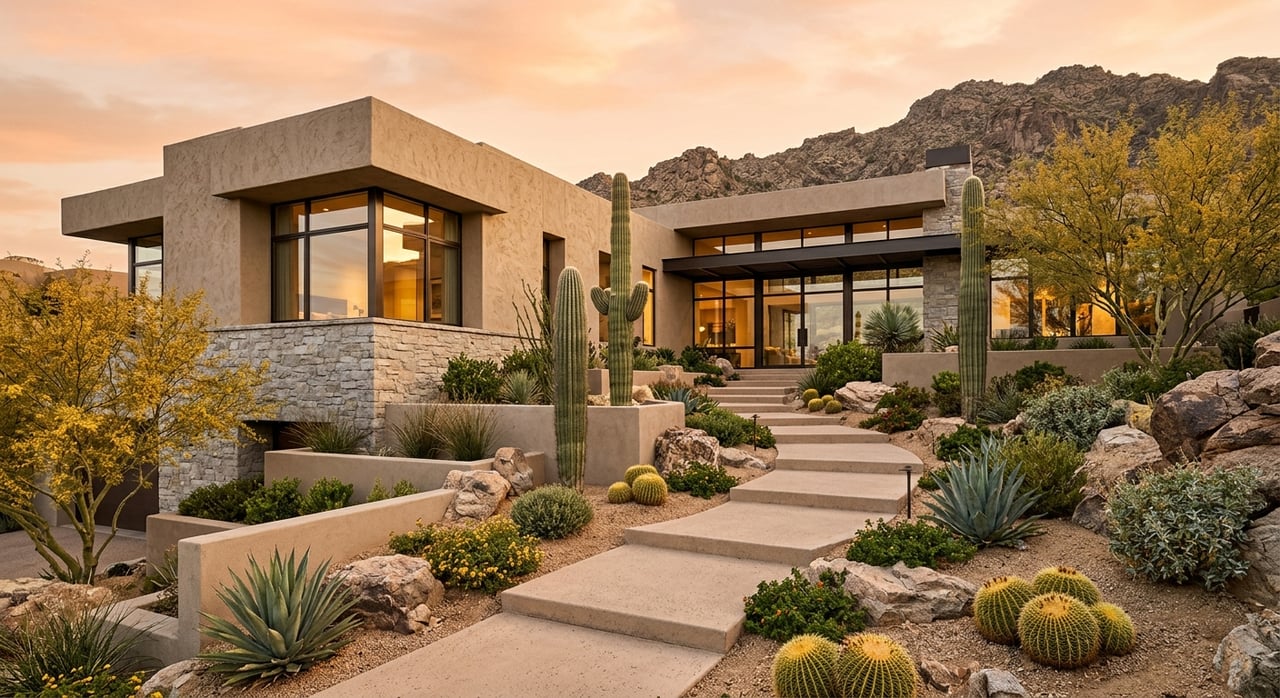
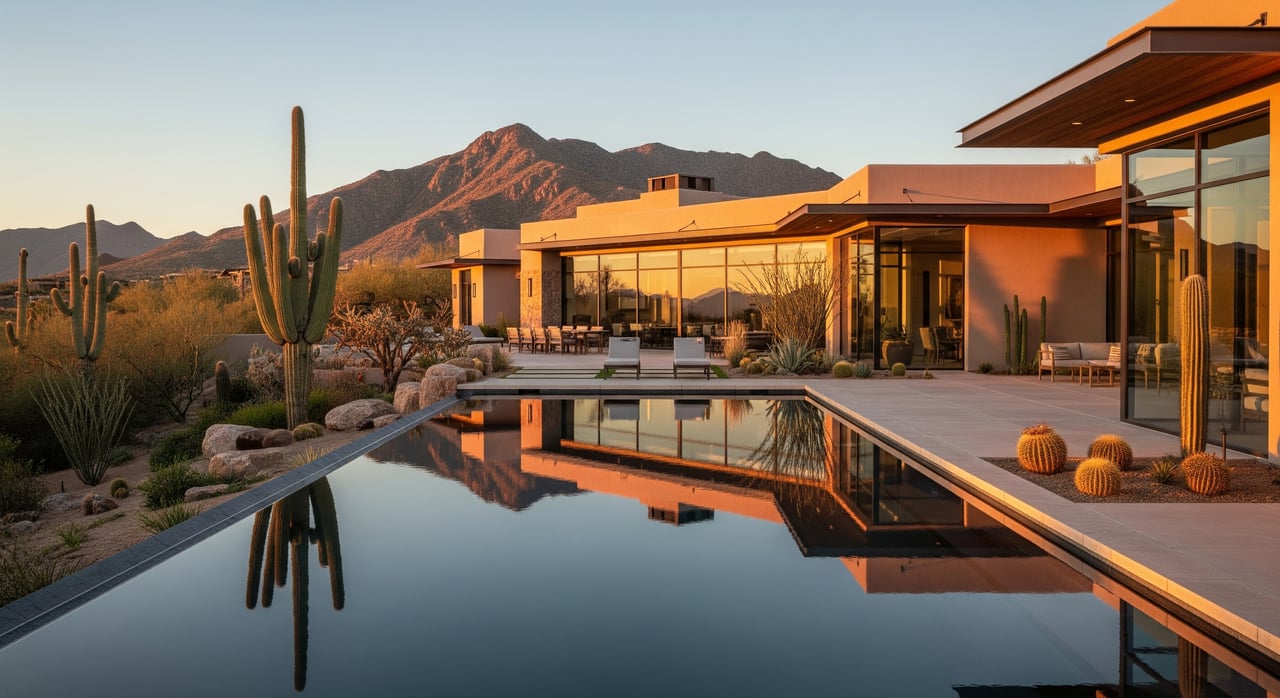
La Paloma offers high-end and luxury properties, so purchase prices often exceed the conforming threshold. If you are targeting a golf-course view, a renovated home, or a larger custom property, a jumbo loan is common unless you plan to use cash.
Your lender will size your loan after accounting for your down payment and the current county limit. If the calculated loan amount is above the limit, your financing will follow jumbo guidelines.
Underwriting basics you should expect
Jumbo underwriting looks at the same core factors as conforming loans, but standards are usually tighter. Strong documentation and credit help you access better pricing and smoother approvals.
Documentation to gather
- Two years of tax returns and W‑2s; recent pay stubs
- For self-employed borrowers: two years of personal and business returns, K‑1s or 1099s, and sometimes a year-to-date profit and loss statement
- 60 to 90 days of statements for bank, brokerage, and retirement accounts
- Government ID and Social Security number
- Gift letters and documentation if using eligible gift funds
For consumer-friendly guidance on mortgage documents and disclosures, the CFPB’s Owning a Home resources are helpful.
Credit and income expectations
- Credit scores: many jumbo programs favor mid-700s or higher for the best rates and higher loan-to-value options, although minimums vary by lender.
- Income stability: lenders review your employment history and consistency of earnings closely.
- Self-employed borrowers: expect deeper analysis of business cash flow and reserves. Some lenders offer bank-statement or other alternative documentation products at different pricing.
Down payment, LTV, reserves, and PMI
Jumbo programs typically require more equity and liquidity than conforming loans. Terms vary by lender and occupancy type.
- Down payment and LTV: plan for 10 to 20 percent down on many primary and second-home options. Higher LTVs may be possible with excellent credit and larger reserves, but availability depends on the lender.
- Reserves: many jumbo loans require 6 months of principal, interest, taxes, and insurance on hand. Larger loans, second homes, or self-employed files may require 12 months or more.
- PMI: traditional private mortgage insurance is limited for balances over the conforming limit. If PMI is not available or not cost-effective, consider a larger down payment or a second mortgage structure.
Second homes and investment properties
La Paloma is a popular fit for second-home buyers. Lender rules differ by occupancy, so plan your strategy early.
- Second homes: expect tighter LTV caps, higher credit expectations, and larger reserve needs than for a primary residence. The home generally must meet the lender’s second-home use standards.
- Investment properties: these often have the most conservative terms, with lower LTV limits and higher reserve requirements. If you plan to rent the home, especially short term, discuss this upfront because many jumbo programs restrict short-term rental use.
How jumbo rates behave
Jumbo rates tend to move with overall mortgage trends but are set by private investors and portfolio lenders. Depending on market conditions, jumbo pricing can be slightly higher or sometimes similar to conforming rates. Adjustable-rate products can offer lower initial rates for some buyers, while fixed-rate jumbos may carry a premium.
- Shop lenders and compare not just the rate, but also required reserves, allowable LTV, and fees.
- Rate spreads change over time based on investor appetite and liquidity. Re-check quotes during your home search.
For mortgage basics and shopping tips, the CFPB’s Owning a Home hub is a good reference.
Appraisals, HOAs, and closing in La Paloma
Luxury neighborhoods often include custom features and premium sites that require careful valuation and thorough due diligence.
Appraisal considerations
- High-end or custom homes may need senior appraisers, deeper comparable sales research, and more time.
- Some lenders order an appraisal review or a second appraisal on larger loans.
- In competitive situations, plan for potential appraisal gaps and decide early how you will address them.
Title, HOA, and county items
- Review HOA covenants, conditions, and restrictions, plus transfer or capital contribution fees, ahead of time.
- Larger loan amounts often increase title insurance and related closing costs because some fees scale with price.
- Use county resources to review property data and taxes. The Pima County Assessor provides property information, and the Pima County Treasurer offers tax payment and history details.
Timeline and rate locks
- Many jumbo loans close in 30 to 45 days. For complex income or very large balances, 45 to 60 days is common.
- Lock your rate with guidance from your lender, especially if your closing window is longer due to appraisal complexity or HOA review.
Practical examples
Below are simplified scenarios. Whether a specific loan amount is jumbo depends on the current Pima County limit. Always verify.
- Example A: $900,000 purchase, 20 percent down. Loan amount about $720,000. This may be jumbo if the county limit is lower than the loan amount. Expect full documentation and moderate reserves.
- Example B: $1,500,000 La Paloma purchase, 20 percent down. Loan amount about $1,200,000. This is typically jumbo. Expect strong credit, 6 to 12 months of reserves, and a detailed appraisal.
- Example C: $3,000,000 custom estate, 25 percent down. Loan amount about $2,250,000. This is jumbo. Expect portfolio lender options, significant reserves, possibly multiple appraisals, and a 45 to 60 day timeline.
How to prepare and shop lenders
A strong start can save you time and money. Engage your agent and lender early, especially before you write an offer.
Pre-approval strategy
- Aim for a full-document pre-approval, not a quick pre-qualification. Verified income, assets, and credit help your offer stand out.
- Gather documents now: two years of tax returns and W‑2s, recent pay stubs, 60 to 90 days of bank and brokerage statements, retirement account statements, a copy of your ID, and explanations for large deposits. If self-employed, add two years of business returns and year-to-date financials.
- Discuss rate lock timing, appraisal strategy, and backup plans in case of an appraisal gap or underwriting question.
Lender types to compare
- Large national banks: often competitive for well-qualified borrowers but can be conservative on underwriting.
- Regional banks and credit unions: may offer relationship pricing and flexibility.
- Portfolio and private banks: keep loans on their books and can flex on documentation or loan structure.
- Mortgage brokers: shop multiple wholesale lenders to find niche or hybrid jumbo products.
Your next step
Buying in La Paloma should feel exciting, not stressful. With early planning, clear documentation, and an experienced team, you can secure the right jumbo financing and close with confidence. For tailored guidance on neighborhoods, HOA nuances, and offer strategy, connect with the local team at Judy Smedes & Kate Herk for a personal consultation.
FAQs
What is a jumbo loan in Arizona and how do I check my limit?
- A jumbo is any loan above the FHFA conforming limit for your county. Verify the latest Pima County limit on the FHFA conforming loan limits page before you shop.
How much down payment do I need for a La Paloma jumbo?
- Plan for 10 to 20 percent down for many primary and second-home options, with larger down payments often required for very high balances or more flexible terms.
Are jumbo mortgage rates higher than conforming rates?
- They can be slightly higher or similar depending on market conditions and lender pricing, so compare quotes and total costs across several lenders.
Can I get PMI on a jumbo loan in Pima County?
- PMI options are limited above the conforming limit, so most buyers either put more down or use a second mortgage or portfolio lender structure.
How long does a jumbo loan typically take to close in La Paloma?
- Many close in 30 to 45 days, while larger or more complex loans can take 45 to 60 days due to appraisal depth and documentation review.
What if my La Paloma appraisal comes in below the contract price?
- You can bring additional cash, renegotiate with the seller, seek credits, or ask your lender about appraisal reviews, but plan your strategy with your agent before you write an offer.