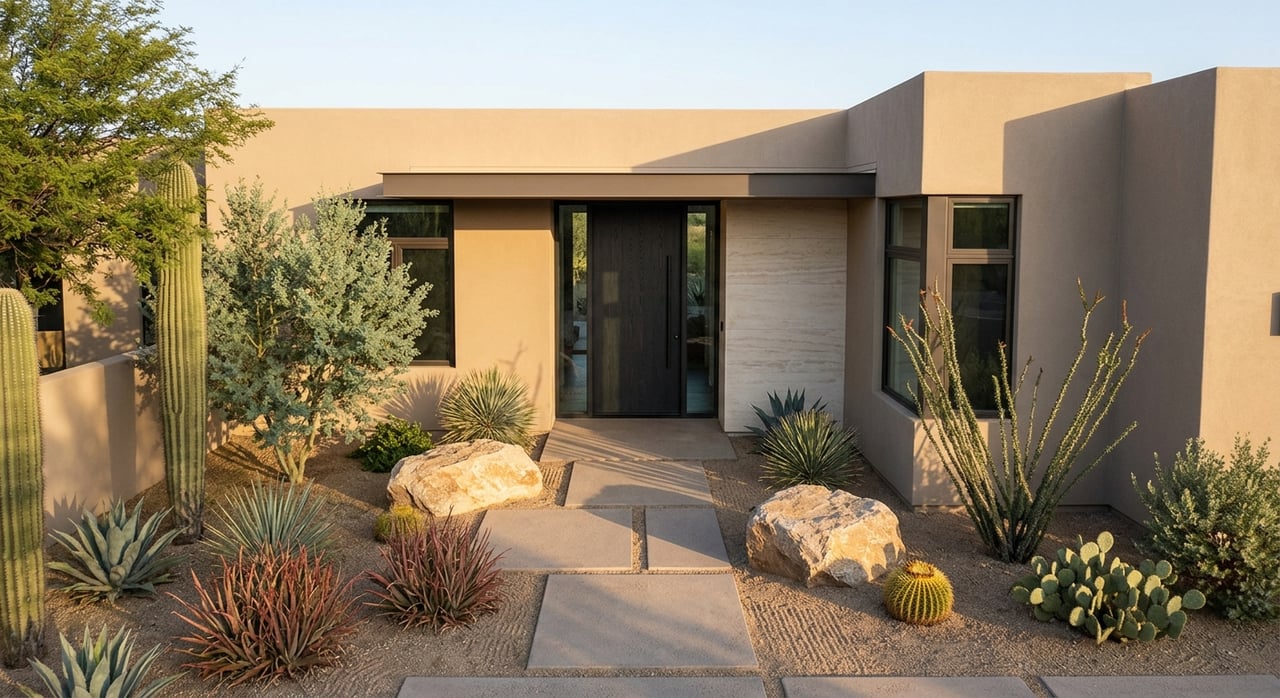
If you are thinking about buying in Stone Canyon Golf Club, you are probably not looking for just any home. You are looking for the right mix of views, privacy, design, and club lifestyle in one of Oro Valley’s most distinctive gated golf settings. This roadmap will help you understand what to compare, what to verify, and how to move forward with confidence, whether you live in Tucson full time or are buying from out of state. Let’s dive in.
Understand the Stone Canyon setting
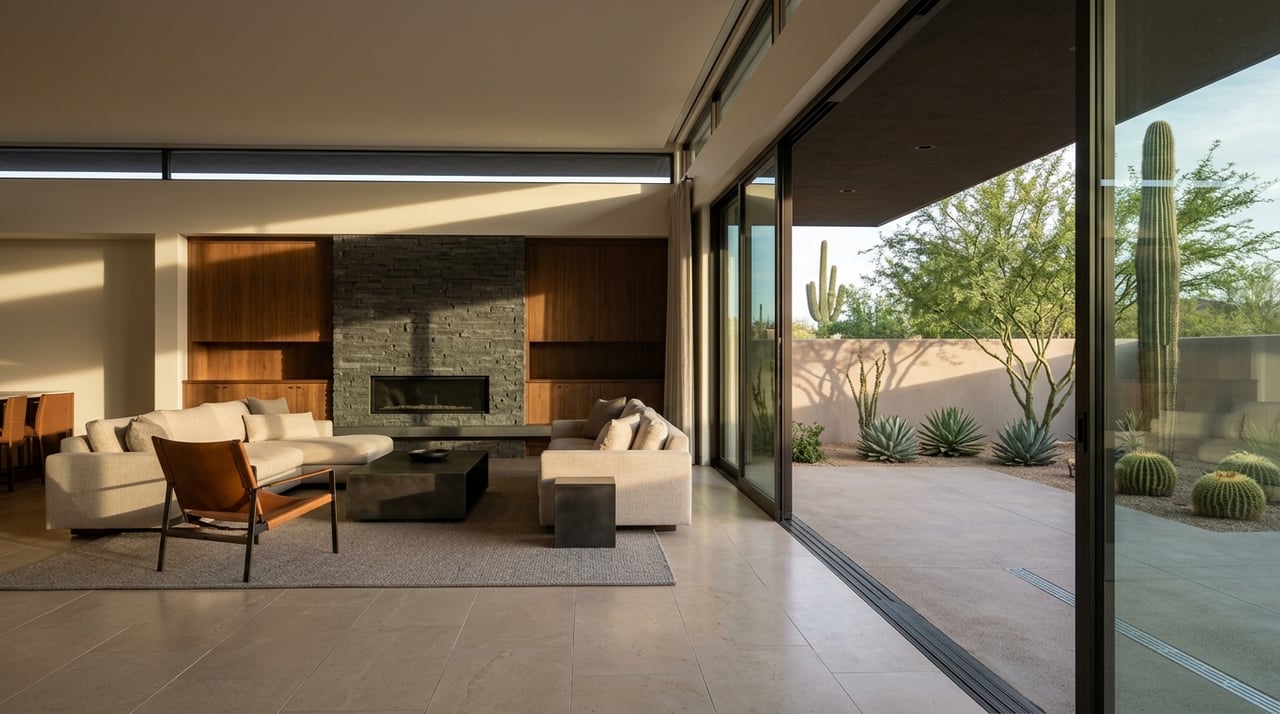
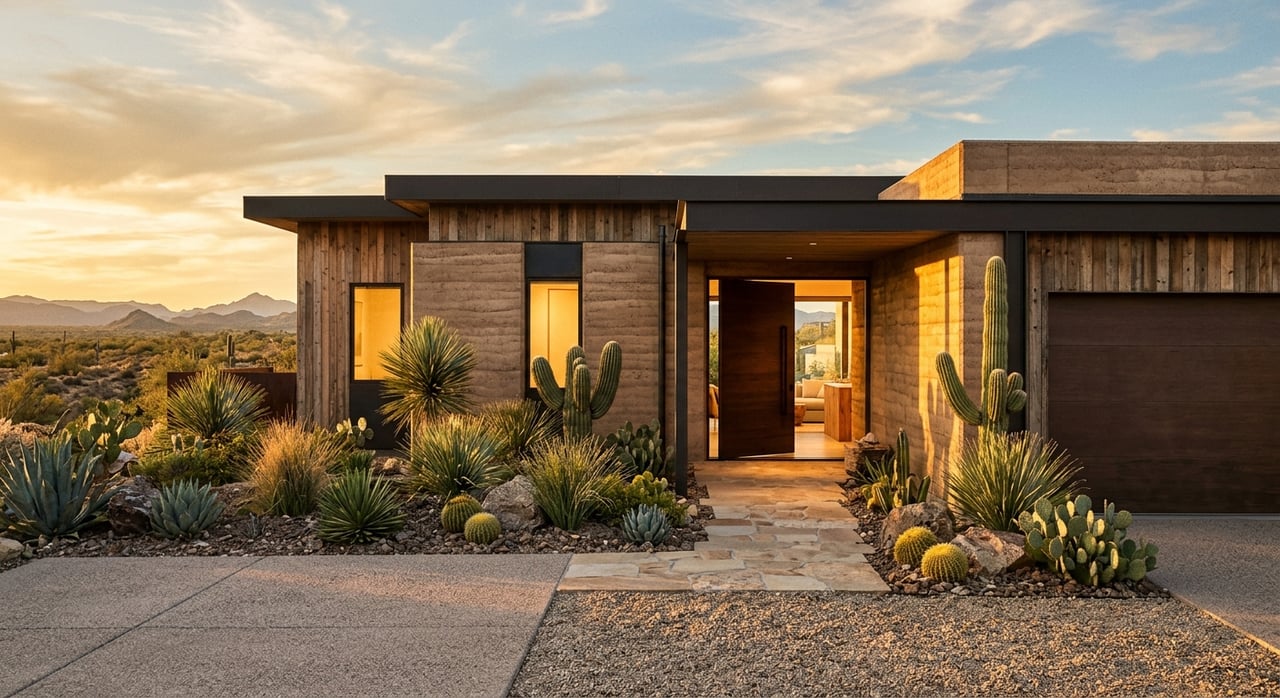
Stone Canyon is a private residential golf community in Oro Valley, just northwest of Tucson, with more than 1,400 acres at the base of the Tortolita Mountains. The community is known for its desert setting, mountain views, and an 18-hole Jay Morrish-designed course woven through washes, boulders, and saguaros.
For many buyers, that setting is the main draw. It also means that two homes on the same street can feel very different depending on elevation, lot placement, sun exposure, and how the home sits against the landscape.
Know the home options
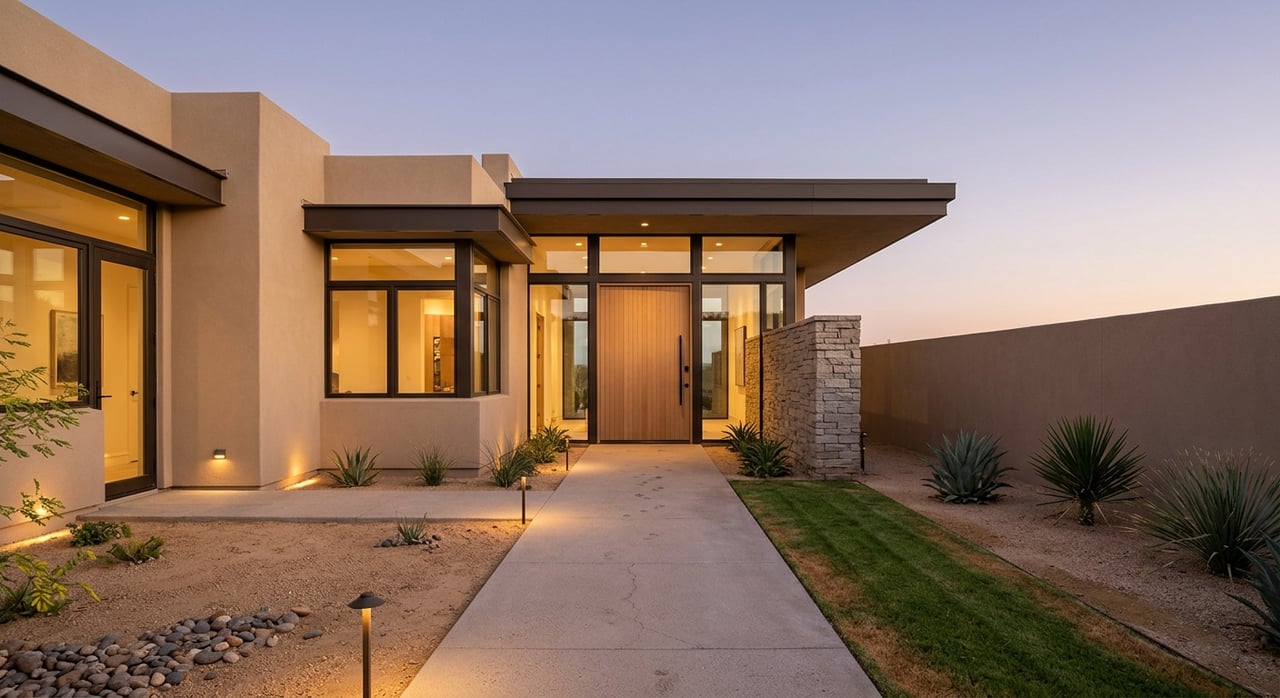
Stone Canyon publicly describes several property types, including custom homesites, custom homes, semi-custom homes, and lock-and-leave homes. Publicly described pricing ranges from under $1 million to more than $4 million.
That variety gives you options, but it also changes how you evaluate a property. A finished custom home calls for a different review than a homesite or a lower-maintenance lock-and-leave residence.
Custom homesites
If you are considering land, focus on what can actually be built on that parcel. You will want to study approved development drawings, parcel records, utilities, and any lot-specific constraints that may affect design, access, grading, or views.
Custom and semi-custom homes
With existing homes, pay close attention to remodel history, permits, square footage, and systems. Arizona’s Buyer Advisory emphasizes verifying details through records and inspections rather than relying only on marketing materials.
Lock-and-leave homes
If you want a second home or lower-maintenance lifestyle, lock-and-leave options may be especially appealing. Even so, you should still review the property’s governing documents carefully so you understand maintenance obligations, use rules, and any HOA-related requirements.
Compare lots carefully
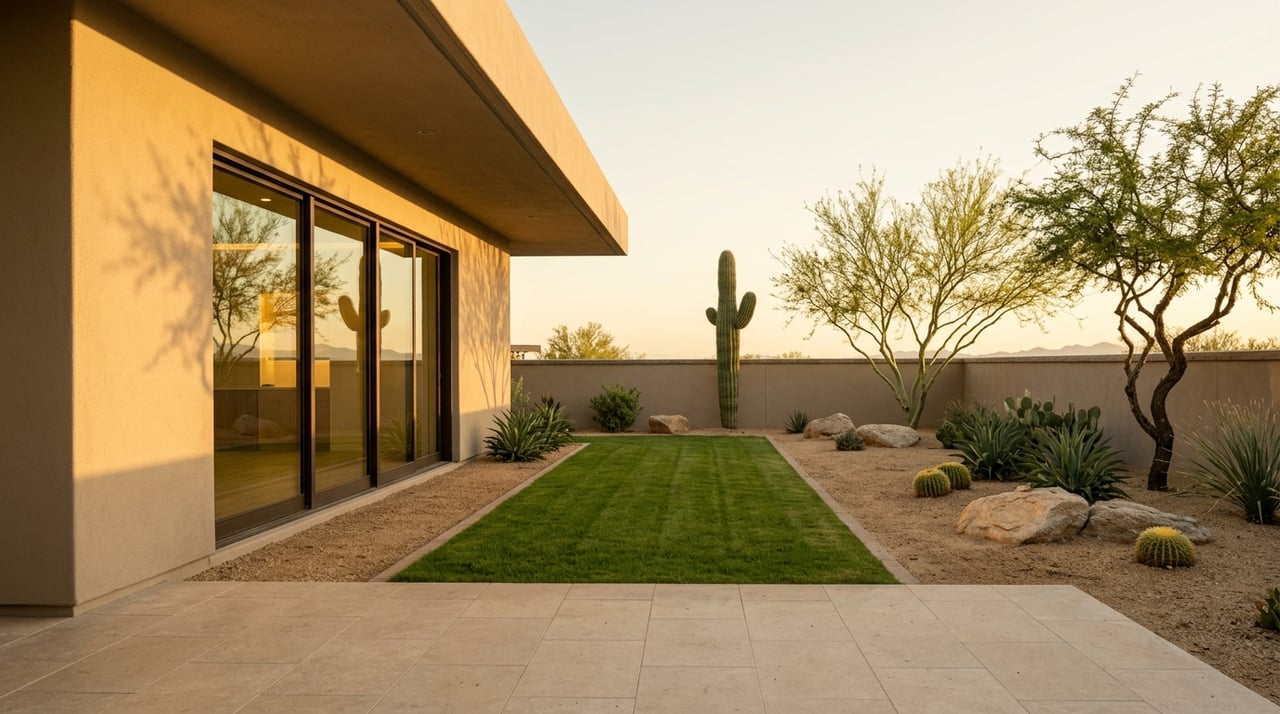
In Stone Canyon, the lot often matters as much as the house. Because this is a view-driven desert community, you should compare each parcel individually instead of assuming the whole community offers the same experience.
As you narrow your choices, look closely at:
- Mountain and golf-course view corridors
- Privacy from neighboring homes and outdoor living areas
- East and west sun exposure
- Relationship to washes, boulders, and natural desert features
- Driveway approach and garage access
- Outdoor living potential by season and time of day
A home that looks similar on paper can feel very different in person once you account for orientation and lot placement.
Learn the membership structure
Stone Canyon’s membership information is published separately from its real estate information, which is an important detail for buyers. The current membership page presents Golf, National Golf, and Sport membership options.
Golf membership includes access to the course, clubhouse, dining, locker rooms, and health and fitness facilities. Sport membership includes club life along with fitness and social amenities, but not golf access.
National membership basics
The National Membership is limited to people who do not own property within 50 miles of the club. According to the club’s published information, it includes up to 40 rounds during peak season and unlimited rounds in the off-season, along with access for immediate family members to tennis, fitness, swimming, clubhouse, dining, and social events.
This may be especially relevant if you are shopping for a second home and live outside the Tucson area.
Confirm property-specific details
Because membership and real estate are presented separately, do not assume every property works the same way. Confirm in the specific listing and governing documents whether there are any transfer rules, initiation requirements, or use restrictions tied to the home you are considering.
That extra step can help you avoid surprises and make a cleaner apples-to-apples comparison between properties.
Review HOA and governing documents
Stone Canyon’s real estate page directs buyers to a separate HOA site, which means HOA documents should be part of your purchase review. This is one of the most important steps in a community with varied home types and a private club setting.
Arizona’s Buyer Advisory recommends reviewing the purchase contract, subdivision or public report, SPDS, CC&Rs, HOA disclosures, title report or commitment, loan documents, and other relevant records. In a community like Stone Canyon, those documents can clarify what you are buying and what rules or obligations come with it.
Key documents to review
As part of your due diligence, make time to read:
- The purchase contract
- MLS printout
- SPDS
- CC&Rs
- HOA disclosures
- Title report or title commitment
- Loan documents, if financing
- Home warranty information, if included
- County assessor and tax records
If a home has been expanded, remodeled, or customized, document review becomes even more important.
Verify permits, utilities, and improvements
Stone Canyon includes custom and semi-custom inventory, so permit and utility verification deserves extra attention. Arizona’s Buyer Advisory specifically highlights repairs and remodeling, square footage, roof age, pools and spas, septic or sewer systems, water or well issues, pests, floodplain status, wildfire, airports, zoning, and nearby services as due diligence items to investigate.
For parcel-level research in Pima County, buyers can use the county records portal to review permits, inspections, septic records, sewer connection records, approved development drawings, and GIS site information. Parcel search tools let you verify official information by address or parcel number.
Why this matters in Stone Canyon
In a luxury desert community, improvements can be substantial. Guest quarters, outdoor kitchens, pools, expanded patios, shade structures, and site-specific grading may all affect value and usability, so it is wise to confirm that the work on the property matches the available records.
Schedule inspections early
Professional inspections are essential. Arizona’s Buyer Advisory says so directly, and it is especially true in a market where custom construction, desert terrain, and high-value finishes can create details that need expert review.
The closing process also tends to move more smoothly when you schedule inspections as soon as possible. Inspection findings can affect repairs, credits, timing, and even whether the sale proceeds.
Areas to inspect closely
Depending on the property, your inspection plan may include review of:
- Roof condition and age
- HVAC systems
- Pool and spa components
- Sewer or septic connections
- Site drainage and grading
- Doors, windows, and large glass openings
- Exterior surfaces and hardscape
- Pest-related concerns
Remember that an appraisal is not the same as an inspection. A property can appraise and still have condition issues that need attention.
Plan for a remote purchase
Stone Canyon is a natural fit for second-home and out-of-state buyers, and the club advertises guided virtual tours, club visits, and short-stay casitas for members looking for a home. If you are buying from another state, Arizona offers tools that can make the process more manageable.
Arizona allows remote online notarization. The Arizona Secretary of State explains that the signer appears by audio-video and the notary must be physically in Arizona, which can simplify document signing if you are not in town.
A practical remote-closing timeline
A staged closing process usually includes:
- Scheduling the inspection as soon as possible
- Choosing the title company a few weeks before closing
- Reviewing the Closing Disclosure at least three business days before closing
- Completing the final walk-through on or near closing
- Securing homeowners insurance before lender funding
If you are buying remotely, it helps to build these steps into your travel and decision timeline from the start.
Compare title and closing services
Title services are often one of the closing costs buyers can shop. If you are comparing providers, look at communication, timing, cost, and how smoothly the company can support a remote or second-home transaction.
You may also want to consider owner’s title insurance, even when lender’s title insurance is required. For a high-value property, understanding your coverage options is part of a thorough review.
Understand local recording and tax timing
In Pima County, recorded documents can be filed online, in person, or by mail. The Recorder’s office notes that documents received after 4 p.m. Tucson time are processed the next business day, which is a useful timing detail if your closing falls near a deadline.
After closing, make sure you verify the parcel’s tax status and mailing information. Pima County property taxes are billed in two installments, with the first half due October 1 and the second half due March 2.
A smart Stone Canyon buying strategy
The strongest Stone Canyon purchases usually come from a clear process, not a rushed decision. Start by defining your priorities, then confirm how each property matches them at the lot, home, document, and club-access level.
A simple way to frame your search is to rank each home by four categories:
- Lot quality and views
- Home design and condition
- Club and membership fit
- Ease of ownership for your lifestyle
That structure can help you compare very different properties with more clarity.
When you are evaluating a luxury golf community, details matter. The right guidance can help you move beyond broad impressions and focus on the factors that truly affect long-term enjoyment and resale value. If you are considering Stone Canyon, Judy Smedes & Kate Herk can help you evaluate homes, lots, and purchase details with the local insight and concierge-level support this kind of purchase deserves.
FAQs
What types of homes are available in Stone Canyon Golf Club?
- Stone Canyon publicly describes custom homesites, custom homes, semi-custom homes, and lock-and-leave homes, with publicly described pricing ranging from under $1 million to over $4 million.
What membership options do Stone Canyon buyers need to know about?
- The club currently presents Golf, National Golf, and Sport memberships, and buyers should confirm any property-specific transfer, initiation, or use details in the listing and governing documents.
What should Stone Canyon buyers review during due diligence?
- Arizona’s Buyer Advisory recommends reviewing the contract, MLS printout, subdivision or public report, SPDS, CC&Rs, HOA disclosures, title report or commitment, loan documents, tax records, and completing professional inspections.
How can out-of-state buyers purchase a Stone Canyon home remotely?
- Arizona allows remote online notarization, and a remote purchase typically includes early inspections, title selection, Closing Disclosure review, a final walk-through, and homeowners insurance before lender funding.
Where can buyers verify permits and parcel records for a Stone Canyon property?
- Buyers can use Pima County’s records and parcel-search tools to research permits, inspections, septic records, sewer connections, approved development drawings, and GIS site information by address or parcel number.