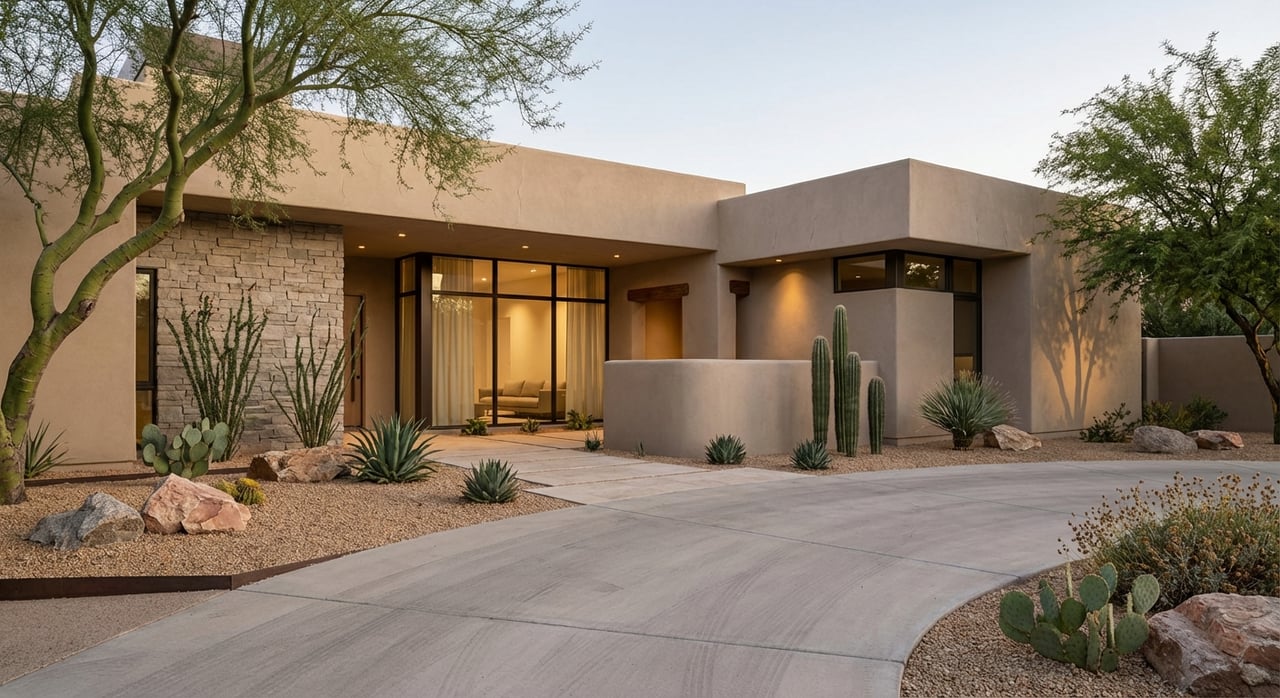
If you are drawn to The Canyons for its sweeping Catalina Mountain views and guard-gated privacy, you are in good company. As you tour homes, you will notice a mix of modern desert statements and refined Southwestern classics, each designed to sit lightly on the land and celebrate the scenery. In this guide, you will learn how to recognize the main architectural styles in The Canyons, how design choices respond to terrain and sun, what materials and features to expect, and practical tradeoffs to keep in mind. Let’s dive in.
What defines The Canyons
The Canyons is an exclusive enclave in the Catalina Foothills, ZIP 85718, known for large estate lots, dramatic topography, and panoramic city-light and mountain views. Homes are often positioned on ridges or terraced into slopes to maximize outlooks while preserving the desert setting. Community covenants and design reviews help protect the visual character and the landscape. The broader Catalina Foothills area is guided by CC&Rs and architectural review focused on desert preservation and compatibility, which you can explore in the Catalina Foothills Association’s guidelines.
Four styles you will see
Desert contemporary
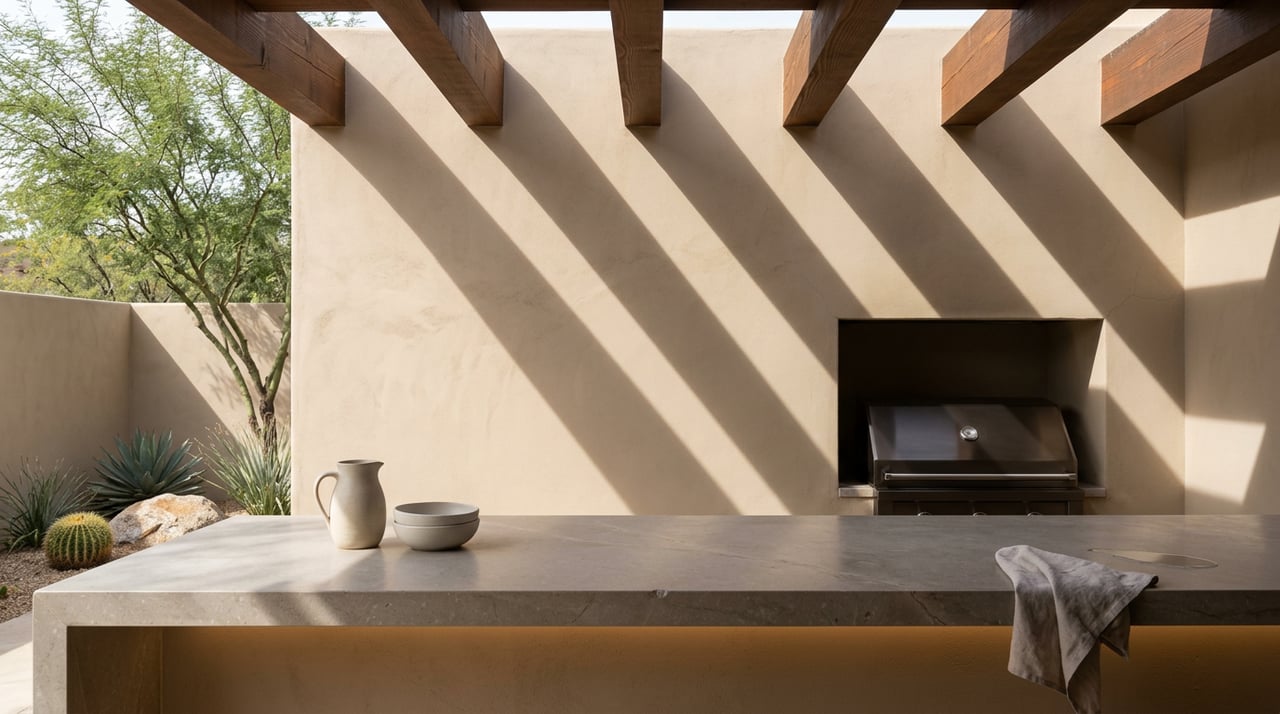
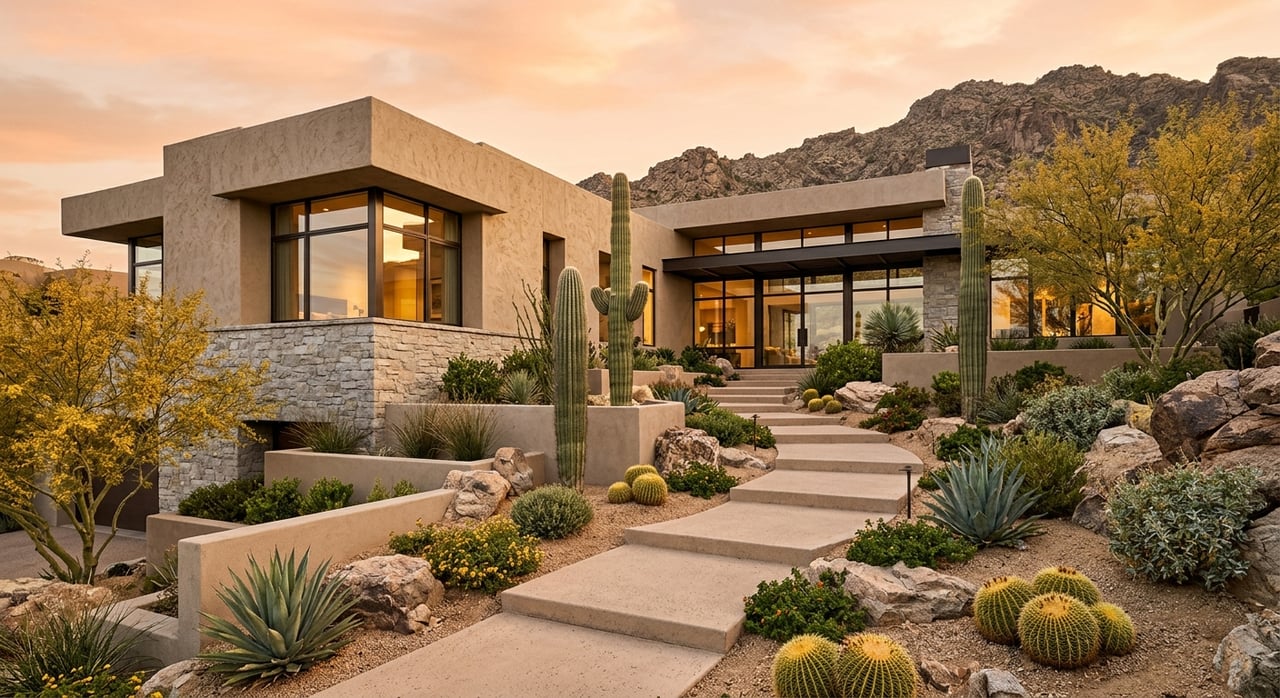
Desert contemporary, sometimes called desert modern, frames the landscape with low, horizontal forms and large glass. You will often see floor-to-ceiling windows, pocketing or sliding walls, and generous shaded patios that extend living spaces outdoors. Materials favor a natural palette: stone, plaster, board-formed concrete, weathered steel, and warm wood accents that blend with Sonoran colors. Deep overhangs, screens, and ramadas create shade so big glass can perform well in the summer sun.
Soft modern
Soft modern combines clean lines with warmer, tactile finishes for a more relaxed feel. Expect smooth plaster or stucco walls softened by rounded edges, layered neutrals, wood soffits, and curated textures. Kitchens often showcase mixed-material islands, walnut or oiled wood, and textural stone that read as approachable luxury rather than stark minimalism. For a helpful design lens on this interior approach, see how “soft modern” finishes are defined in Bakes & Kropp’s overview.
Refined Territorial and Santa Fe
Territorial and Santa Fe styles are regionally rooted and instantly recognizable. Santa Fe typically features flat roofs with parapets, earth-toned stucco, rounded wall corners, portals and courtyards, and occasional vigas. Territorial Revival reads crisper, with squared openings, brick-capped parapets, and restrained classical trim. Use “Santa Fe” when you see flat roofs, vigas, and kiva-style fireplaces; use “Territorial” when the rooflines are flat but the details are squared and neatly trimmed. For visual definitions, consult this architectural style reference.
Mediterranean, Tuscan, and Old World hybrids
Many legacy estates lean Mediterranean or Tuscan, with clay tile roofs, arched openings, heavier stonework, and formal courtyards. Warm plaster and stone mixes, carved doors, and wrought-iron accents give these homes an Old World presence. In The Canyons, you will also see transitional versions that soften ornament and update finishes while retaining pitched roofs and classic proportions.
How terrain and sun shape design
Siting and topography
The Canyons’ hillside lots reward thoughtful siting. Single-level estates often perch along ridgelines to reduce earthwork and capture long views. On steeper parcels, multi-level and terraced plans step with the slope, sometimes linking spaces with bridges or cantilevered terraces to span natural washes. Entry sequences usually choreograph a reveal, guiding you from a quiet, sheltered court to wide-open living areas facing the mountains or city lights.
Orientation and shade strategy
Architects in the foothills balance view capture with solar control. Many principal rooms face north or east to embrace mountain vistas and softer light. South-facing glass is typically shaded with deep overhangs, ramadas, or perforated screens so you can enjoy big windows without overheating. For a classic Tucson case study in smart shade, the Ramada House shows how a monumental lattice can temper sun and breeze while preserving transparency, as profiled by Dwell.
Indoor–outdoor choreography
Luxury living here flows effortlessly between inside and out. Expect pocketing doors, continuous flooring from great room to patio, and shaded outdoor rooms with cooking and fire features. Pools and sun decks are often terraced to stretch your sightline, and courtyards create comfortable microclimates during warm afternoons and cool desert nights. These design moves are both lifestyle amenities and practical responses to the climate.
Passive and climate-smart details
Well-executed desert homes use passive strategies to stay comfortable and efficient. Common moves include deep overhangs, high-performance glazing with low solar heat gain, selective use of thermal mass like stone or concrete, night ventilation through courtyards, and xeric landscapes on drip irrigation. For a technical overview of hot-dry climate tactics, this summary of passive design strategies highlights the core principles at work.
Materials and finishes that fit the Foothills
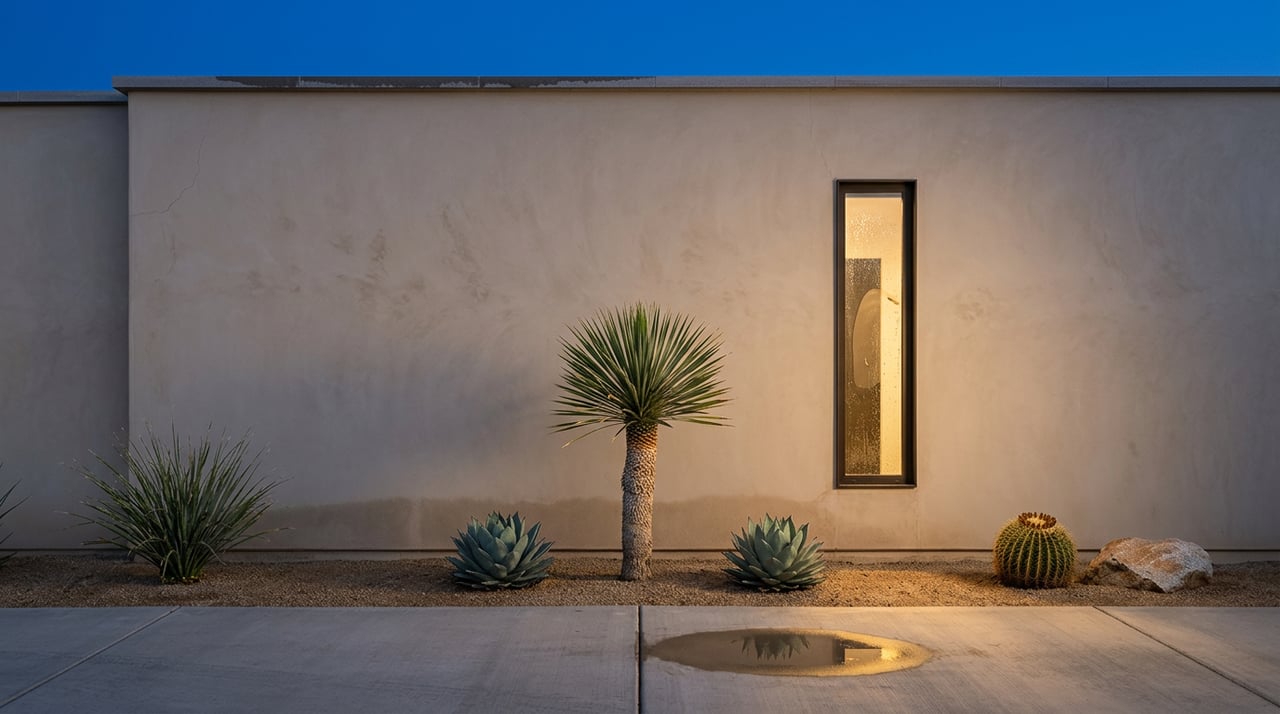
Exterior palettes in The Canyons aim to blend with the Sonoran Desert rather than compete with it. You will see smooth stucco or plaster in earth tones, mortar-washed block, natural stone, and occasional board-formed concrete. Dark metal window frames and wood soffits add definition and warmth without visual noise. Inside, the look is typically clean-lined and calm, with neutral walls, stone surfaces, and tailored millwork that gives a quiet, upscale feel.
Lifestyle features buyers expect
High-end homes in The Canyons are designed for everyday retreat living. Great rooms open to covered terraces for year-round entertaining. Primary suites are oriented to views and often paired with spa-like baths and custom closets. You will frequently find guest casitas, show garages, gyms, theaters or wine rooms, and sculpted negative-edge pools stepped into the hillside. The thread through all of it is easy, indoor–outdoor living tuned to the desert.
How to evaluate a home’s style on tour
Use this fast checklist as you walk through a property:
- Roofline and massing: Flat parapets suggest Santa Fe or Territorial; low, rectilinear volumes with wide shade lines lean modern; pitched, tile roofs cue Mediterranean or Tuscan.
- Window strategy: Note the size and placement of glass and the direction it faces. Look for deep overhangs, ramadas, or screens that manage sun while preserving views.
- Material story: Scan for stone, mortar-washed block, board-formed concrete, plaster textures, and warm wood. These choices often signal quality and climate awareness.
- Indoor–outdoor thresholds: Pocketing doors, aligned floor levels, and covered outdoor rooms indicate strong desert contemporary DNA.
- Courtyards and microclimates: Entry courts, protected side patios, and enclosed gardens hint at Santa Fe or Territorial influence and add comfort on hot days.
Maintenance and practical tradeoffs
Every style carries upkeep considerations in the desert. Flat or parapet roofs common to Santa Fe and Territorial forms require a different maintenance rhythm than tiled, pitched roofs. Smooth exterior stucco benefits from periodic inspection and touch-up to keep edges crisp. Large expanses of glass need proper shading and high-performance specs to manage heat gain, and regular cleaning in dusty seasons to keep views pristine. Xeriscaping with drip irrigation is both attractive and water-wise, and smart controllers are common in higher-end landscapes.
Building or remodeling in The Canyons
If you plan to build or make exterior changes, expect design review. The Catalina Foothills area emphasizes compatibility with the desert environment through CC&Rs and architectural committees, and individual HOAs may layer in their own guidelines or require pre-approved design packages. Start early with your architect and builder to align site planning, massing, materials, and landscape with the rules. For a sense of the regional approach, review the Catalina Foothills Association’s CC&Rs and guidelines, and verify lot-specific requirements with the appropriate HOA.
Which style fits you
If you love clean lines and walls of glass, desert contemporary or soft modern will likely feel like home, especially if you want seamless indoor–outdoor living. If you prefer a quieter, regionally rooted feel, refined Territorial or Santa Fe can deliver timeless comfort with courtyards and portals that make daily life feel resort-like. For a classic, Old World presence with pitched roofs and arches, Mediterranean or Tuscan hybrids offer warmth and formality. In all cases, the best homes here honor the landscape, manage sun gracefully, and keep views front and center.
Ready to explore what these styles look like on specific lots and in today’s market. Let’s talk about your wish list, tour by tour. For personal guidance and a data-informed plan, reach out to Judy Smedes & Kate Herk for a complimentary neighborhood valuation and consultation.
FAQs
What architectural styles are common in The Canyons, Tucson 85718?
- You will find desert contemporary and soft modern homes alongside refined Territorial, Santa Fe, and Mediterranean or Tuscan hybrids, often blended thoughtfully on estate lots.
How do CC&Rs and HOA design reviews affect building in The Canyons?
- Community rules guide siting, massing, materials, and landscape to preserve desert character, and most exterior projects need approval; review the Catalina Foothills guidelines and confirm HOA specifics.
How does the Sonoran Desert climate influence house design here?
- Homes orient for views while managing sun with deep overhangs, ramadas, and screens, often combining high-performance glass and thermal mass for comfort and efficiency.
What outdoor features are typical of luxury homes in The Canyons?
- Expect covered patios and ramadas, outdoor kitchens, fire features, negative-edge pools, and native xeriscapes on drip irrigation that extend daily living outside.
Are modern desert homes harder to maintain than Santa Fe or Tuscan homes?
- Maintenance varies by detail: large glass needs shade and periodic cleaning, flat roofs require specific care, and stucco needs touch-ups, while well-designed systems keep upkeep manageable.