Ever imagine swapping city noise for quiet desert mornings and a tee time with mountain views? If you’re comparing Arizona golf destinations, Oro Valley offers a relaxed, outdoorsy pace with year‑round play and striking scenery in every direction. You might be a serious golfer, a casual player who loves the clubhouse scene, or a seasonal owner who wants flexibility. In this guide, you’ll learn how Oro Valley’s golf communities live day to day, how memberships typically work, and what to consider if you’re buying from out of state. Let’s dive in.
Why choose Oro Valley
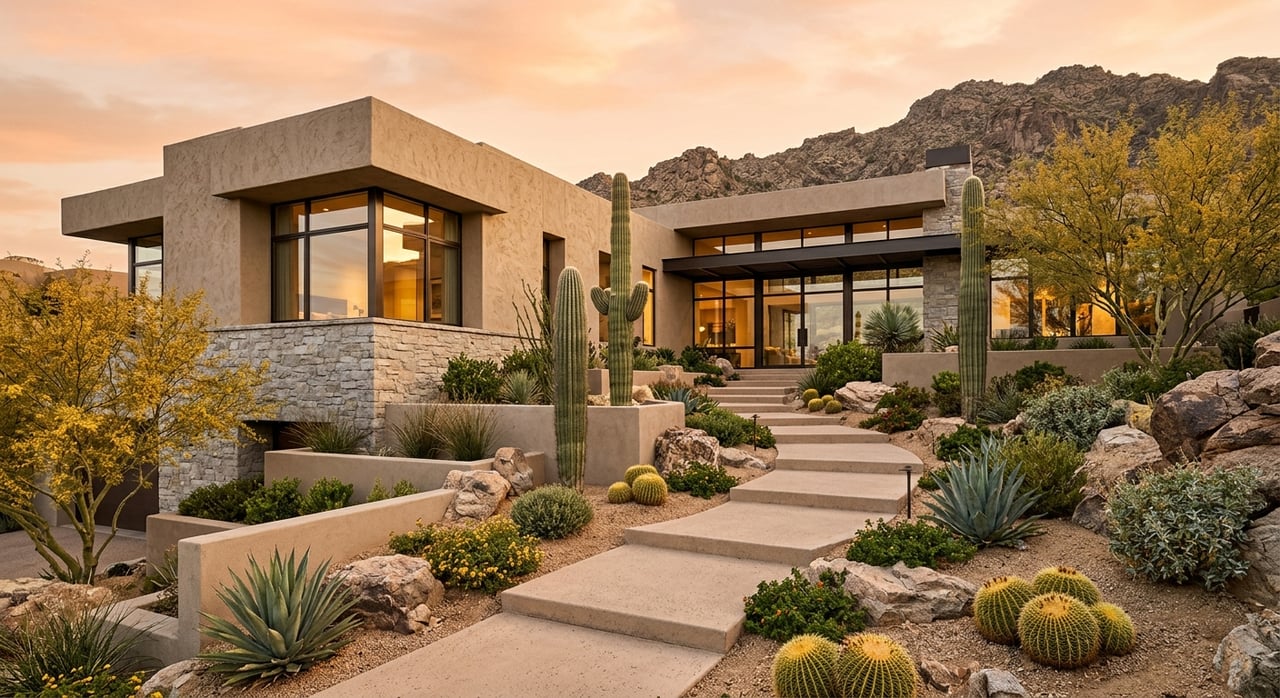
Oro Valley sits just north of Tucson in the foothills of the Santa Catalina Mountains. You get dramatic desert and mountain vistas, low‑profile neighborhoods that blend into the Sonoran Desert, and a quieter, small‑town feel compared with Scottsdale. The lifestyle leans outdoorsy and easygoing, with golf, hiking, and casual dining at the core.
Golf here is truly year‑round. Peak season runs fall through spring when visitors and snowbird owners arrive. Summer is hotter but lighter on demand, and many residents play early mornings or later afternoons. If you like mountain views, cooler nights, and a residential vibe over resort bustle, Oro Valley checks those boxes.
Daily life in a golf community
A typical morning starts with an early tee time or a range session, followed by coffee or brunch on a clubhouse patio with sweeping desert views. Midday might be a fitness class, a swim, or a quick grocery run. In the afternoon, you can hike a nearby trail, then return for a casual dinner or a member event. The pace is relaxed, social, and very connected to the outdoors.
Most private clubs prioritize members for tee times, especially on weekend mornings during peak season. Practice facilities commonly include a driving range, short‑game complex, and multiple putting greens. Many clubs offer lessons, clinics, and club fitting. Off the course, you’ll often find a fitness center, resort‑style pool, tennis or pickleball, and a members’ restaurant and bar with indoor and outdoor seating.
Stone Canyon as a reference point
While each club is unique, Stone Canyon in Oro Valley is a useful reference for what many buyers value in this area.
- Course access and play: Private, member‑focused play with priority for members. Peak season drives demand for morning and weekend times. Many clubs set guest limits, guest fees, and may have reciprocal play with other clubs.
- Practice and instruction: Expect a full practice range, short‑game area, and putting greens. Instruction often includes private lessons, clinics, junior programming, and seasonal academies.
- Clubhouse and amenities: A members’ restaurant and bar, events space, pro shop, and locker rooms are common. Larger properties may include a fitness center, spa services, and racquet courts. Some communities are gated with HOA standards for landscaping and exterior design.
- Social life and events: Member tournaments, weekly leagues, holiday events, wine dinners, and mixers are typical. You’ll also find fitness classes and social clubs like bridge or book groups.
- Trails and outdoor access: Many Oro Valley neighborhoods are near trailheads and open space, making it easy to pair golf with hiking, cycling, or birdwatching. Some communities connect directly to regional trail systems.
If specific amenities or policies are important, plan to confirm current details with the club and community manager as offerings evolve over time.
Membership types explained
Membership structures and names vary by club, but these categories are common:
Full golf member
- Unlimited or high‑priority tee‑time access and full practice privileges.
- Typically includes access to all clubhouse and recreation amenities.
Social member
- Access to dining, events, and clubhouse amenities.
- Limited or pay‑per‑play golf, often with restrictions on prime times.
Associate or young executive
- Reduced fees for younger members with some tee‑time or governance limitations.
Non‑resident or seasonal
- Designed for part‑time residents with access tailored to the months you’re in town.
- May include priority limits during peak season.
Equity vs non‑equity
- Equity memberships often include an initiation investment and potential resale value.
- Non‑equity memberships are typically subscription‑based without resale value.
Match your membership to your lifestyle
Choosing the right membership is about aligning access and costs with how you plan to use the club.
- Serious golfer: Prioritize full membership, broad tee‑time access, strong practice facilities, and an active instruction staff. Ask about guest play rules and league schedules.
- Casual golfer and socializer: A social or hybrid membership with dining and events may be ideal. Look for limited tee‑time options and pay‑per‑play flexibility.
- Multi‑interest household: If not everyone golfs, focus on fitness, pool, racquet sports, junior programs, and event calendars. Make sure family members’ access is included.
- Seasonal owner: Non‑resident tiers can reduce costs when you are away, but ask about peak‑season prime time rules and whether there are blackout dates.
Costs to understand upfront
Fees vary by club and can change. As you evaluate communities, request the current fee schedule and ask clear questions about each line item.
- Initiation fee or capital contribution and whether it is refundable or transferable.
- Monthly or annual dues and what they cover.
- Food and beverage minimums and how they are calculated.
- Guest fees, cart fees, and instruction or fitting charges.
- Capital assessments and planned improvements.
- Membership transfer policies at resale and any waitlist rules.
A short interview with the membership office can clarify timing and expectations, especially around waitlists and peak‑season access.
Practical tips for out‑of‑state and second‑home buyers
If you are purchasing a second home, a little planning goes a long way. Ask for these documents early and build your timeline around them.
- Club packet: Membership agreement, bylaws, fee schedule, guest rules, tee‑time policies, and any reciprocal arrangements.
- HOA and CC&R: Rental restrictions, landscaping standards, exterior modification rules, and trail easements.
- Disclosures: Any known special assessments, pending litigation, and planned developments.
- Logistics: Confirm proximity to healthcare, groceries, and the regional airport. Many services are a short drive away, but commute times matter if you host guests or travel often.
Consider property management support for landscaping and maintenance while you are away. Ask about gate access, security protocols, and keycard systems for the clubhouse and amenities.
Peak season and tee times
Fall through spring is the busiest window for tee times. Clubs often prioritize full members for prime mornings, especially on weekends. Seasonal or non‑resident members usually enjoy good access, but you should ask how far in advance you can book and whether there are restrictions during the highest‑demand weeks. If you prefer quieter fairways, summer mornings can be a hidden gem.
Dining, services, and nearby options
Most communities offer on‑site dining for casual lunches and select dinner nights. In Oro Valley and the nearby Catalina Foothills, you will find cafés and a modest fine‑dining scene, with broader options across greater Tucson. Essential services like groceries and medical care are typically close by. If you plan frequent trips, check typical drive times to downtown Tucson and the airport during your tour.
Trails and the outdoors
Oro Valley’s golf neighborhoods often sit near desert open space and mountain parks. Some communities connect directly to public trails, while others require a short drive to a trailhead. If trail access matters, ask about public versus private sections, parking, and the closest access points. Many residents pair a nine‑hole evening round with a morning hike, especially outside of peak heat.
Your tour checklist
Use this quick checklist during club tours and community visits so you compare apples to apples.
- Tee‑time system: How many days in advance can you book? Any blackout windows? Weekend rules?
- Practice access: Range hours, short‑game areas, instruction staff, and club fitting options.
- Guest and reciprocal play: Limits, fees, and partner‑club access.
- Social calendar: Weekly leagues, holiday events, and special dinners or tastings.
- Amenities: Fitness, pool, spa, racquet courts, locker rooms, and kids’ or junior programming.
- Dining: Hours, reservation expectations, and any member dining minimums.
- HOA rules: Rental terms, exterior guidelines, landscape standards, and overnight parking rules.
- Financials: Initiation fees, dues, capital assessments, and planned improvements.
- Resale and transfers: Whether membership is tied to the property or sold separately.
A simple decision framework
If you are torn between two communities, answer these questions to clarify the best fit.
- How many rounds will you play during peak versus off‑peak months?
- Do you need guaranteed prime times or prefer flexibility?
- Which matters more, golf access or clubhouse and social life?
- Will family members use non‑golf amenities enough to justify the category?
- Will you rent the home? If so, what are guest and renter privileges?
- Do you prefer equity in the club or a pure user membership?
Write down your answers and compare them side by side. The best choice is the one that aligns with how you actually live, not just how you hope to live.
Buy with local confidence
Choosing a golf community is about daily life as much as real estate. You want the right balance of course access, social energy, scenery, and convenience.
If you are weighing options in Oro Valley or the surrounding foothills, we are here to help you tour communities, decode memberships, and compare HOA and club documents so you can move forward with clarity. For trusted guidance tailored to your goals, connect with Judy Smedes & Kate Herk. Request a complimentary neighborhood valuation and personalized consultation.
FAQs
When is the best season to play in Oro Valley?
- Fall through spring is the peak season for golf, while summer offers lighter demand with early morning or late afternoon rounds to avoid the heat.
Are memberships required to buy a home in a golf community?
- Some communities tie membership and property ownership, while others sell memberships separately; verify the specific rules with the club and the HOA before you write an offer.
What non‑golf amenities are common in Oro Valley clubs?
- Many communities offer a fitness center, pool, tennis or pickleball courts, social events, member dining, and occasional spa services, with details varying by club.
How do seasonal or non‑resident memberships usually work?
- These categories are designed for part‑time owners and may include access during certain months and priority limits during peak times; ask for current policies and fees.
How close are healthcare, groceries, and the airport to Oro Valley communities?
- Essential services are typically a short drive away, but you should confirm drive times to your preferred hospital, shopping, and Tucson International Airport during your visit.
Can renters or guests use club facilities if I buy a second home?
- Policies vary by club and HOA; some allow renter access with guest fees while others restrict amenities to members only, so review CC&Rs and club rules in advance.