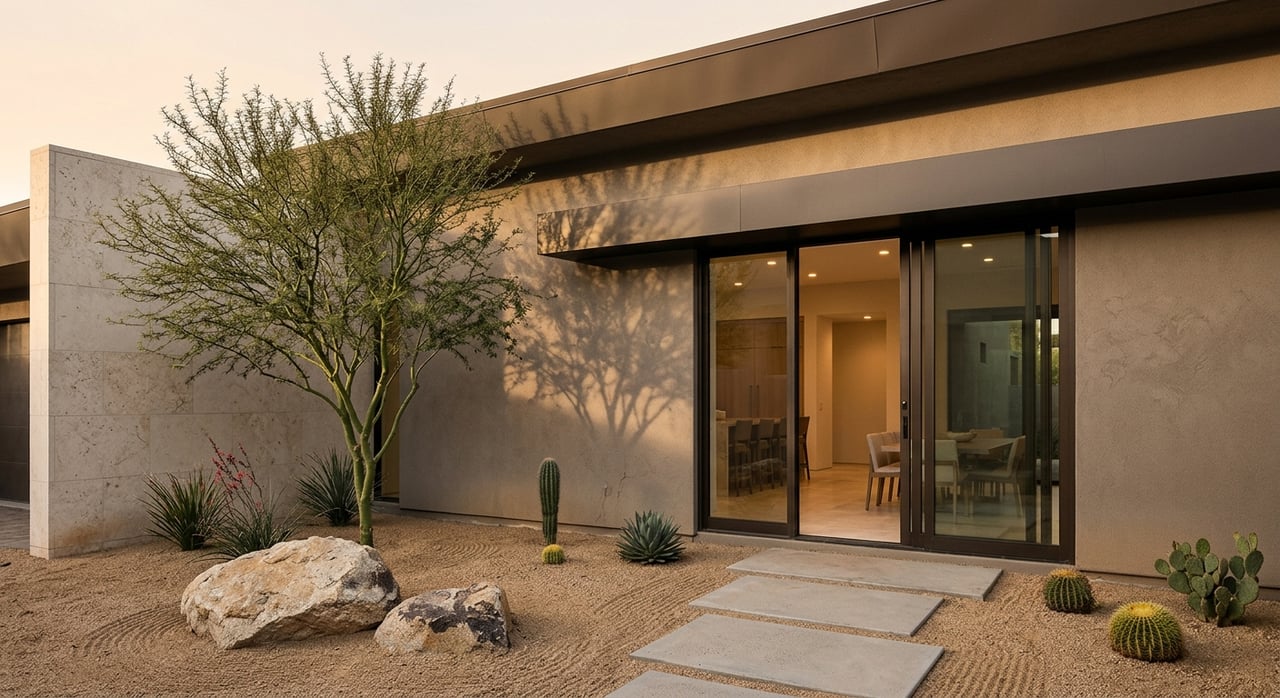
Wondering how much preparation it really takes to sell in Pima Canyon? In a market where views, presentation, and pricing all carry outsized weight, the right pre-listing plan can help your home stand out for the right reasons. If you are thinking about selling, this guide will walk you through what matters most in Pima Canyon and how to prepare with confidence. Let’s dive in.
Why preparation matters in Pima Canyon
Pima Canyon is not a typical Tucson submarket. It is a custom-lot community at the base of the Santa Catalina Mountains with 298 homesites, natural open space, and dramatic city and mountain views, according to community planning materials. That setting shapes what buyers notice first and what they are willing to pay for.
Pricing also shows how different this market is. In February 2026, Redfin neighborhood data for Pima Canyon Estates reported a median sale price of $2,252,500, compared with $310,000 for Tucson overall. That gap means your home should be prepared and priced against a luxury comparable set, not the broader city average.
At the same time, the market is more measured than it was a few years ago. Tucson housing data shows homes sold in about 82 days on average in February 2026, and 25.2% had price drops. On the luxury side, Redfin’s national luxury report found that inventory rose 6.4% year over year and the typical luxury home took 58 days to sell, which reinforces the value of thoughtful preparation and precise pricing.
Focus on what buyers notice first
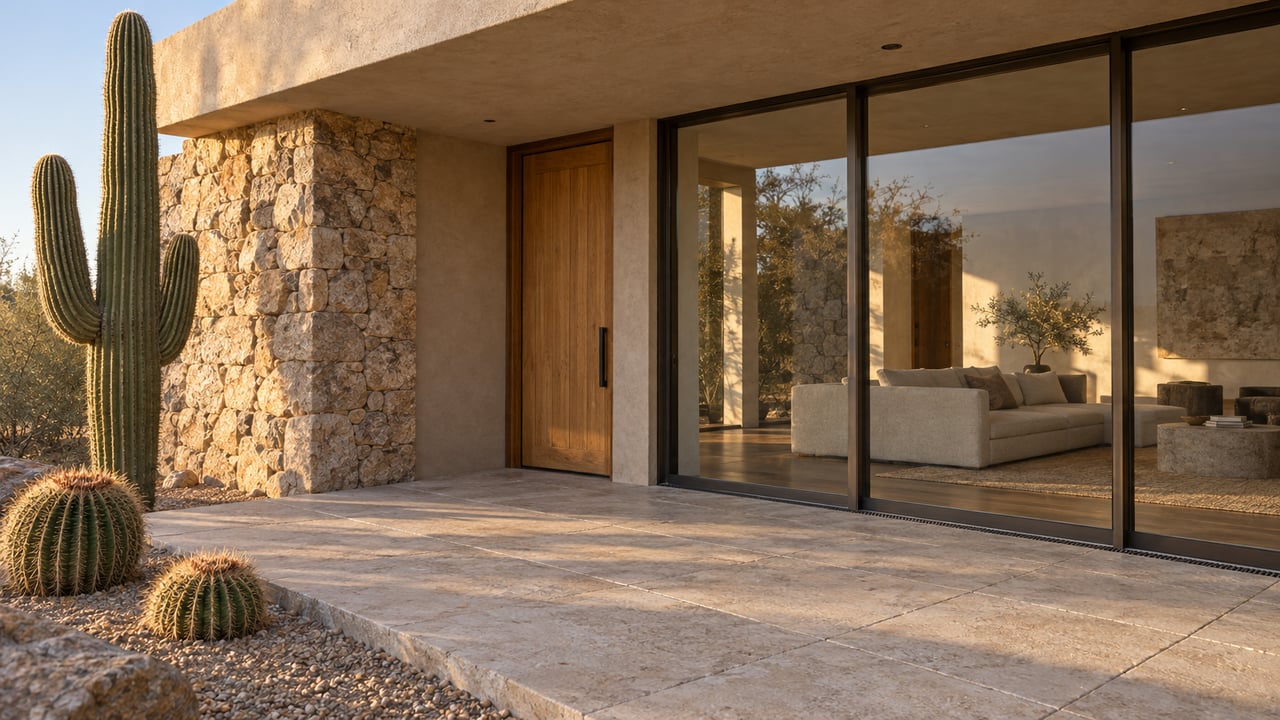
In Pima Canyon, buyers are often responding to a combination of architecture, setting, and livability. Current listings in the neighborhood regularly highlight picture windows, desert and mountain views, generous lots, and outdoor living areas, based on active neighborhood listing patterns. That gives you a clear clue about where to focus.
Before you spend heavily, start by identifying the spaces that tell the story of your home best. For many Pima Canyon properties, that means the arrival experience, the main living area, the primary suite, and outdoor spaces that connect naturally to the landscape. Buyers need to feel the home’s relationship to the desert setting as soon as they walk in.
According to the 2025 NAR home staging snapshot, 83% of buyers’ agents said staging made it easier for buyers to visualize a property as a future home. The most commonly staged rooms were the living room, primary bedroom, and dining room, which supports prioritizing your most visible and emotionally important spaces first.
Prioritize strategic updates
Not every luxury home needs a major remodel before listing. In fact, the better approach is often selective improvement rather than broad renovation, especially if the home already fits the setting and has been well maintained.
The NAR outdoor features report notes that exterior projects are often chosen for beauty and aesthetics, while value depends on design, materials, location, age, and condition. In practical terms, that means you should focus on clear cosmetic wins, deferred maintenance, and any dated features that may distract from the home’s views or architecture.
A smart order of operations often looks like this:
- Refresh the entry sequence so the home feels welcoming from the start
- Improve the main living room where buyers often spend the most attention
- Update or refine the primary suite if it feels tired
- Polish dining and entertaining areas
- Address obvious maintenance items before spending on secondary rooms
Elevate views and outdoor living
In a community like Pima Canyon, outdoor presentation is not an extra. It is part of the core value of the property. If your home offers mountain, desert, or city-light views, your preparation plan should help those sight lines read clearly without making the grounds look overcut or artificial.
The University of Arizona Extension pruning guide recommends conservative pruning that maintains plant health and natural form. It also notes that large trees are best handled by ISA-certified arborists, and no more than one-third of a plant should be removed in a season. That is a useful guide for sellers who want a cleaner, more open landscape without damaging mature desert plantings.
A practical outdoor prep list may include:
- Remove dead brush and debris
- Thin crowded shrubs carefully
- Check that drip irrigation is working properly
- Clean hardscape and outdoor living areas
- Open view corridors where appropriate
- Replace or repair obviously worn exterior elements
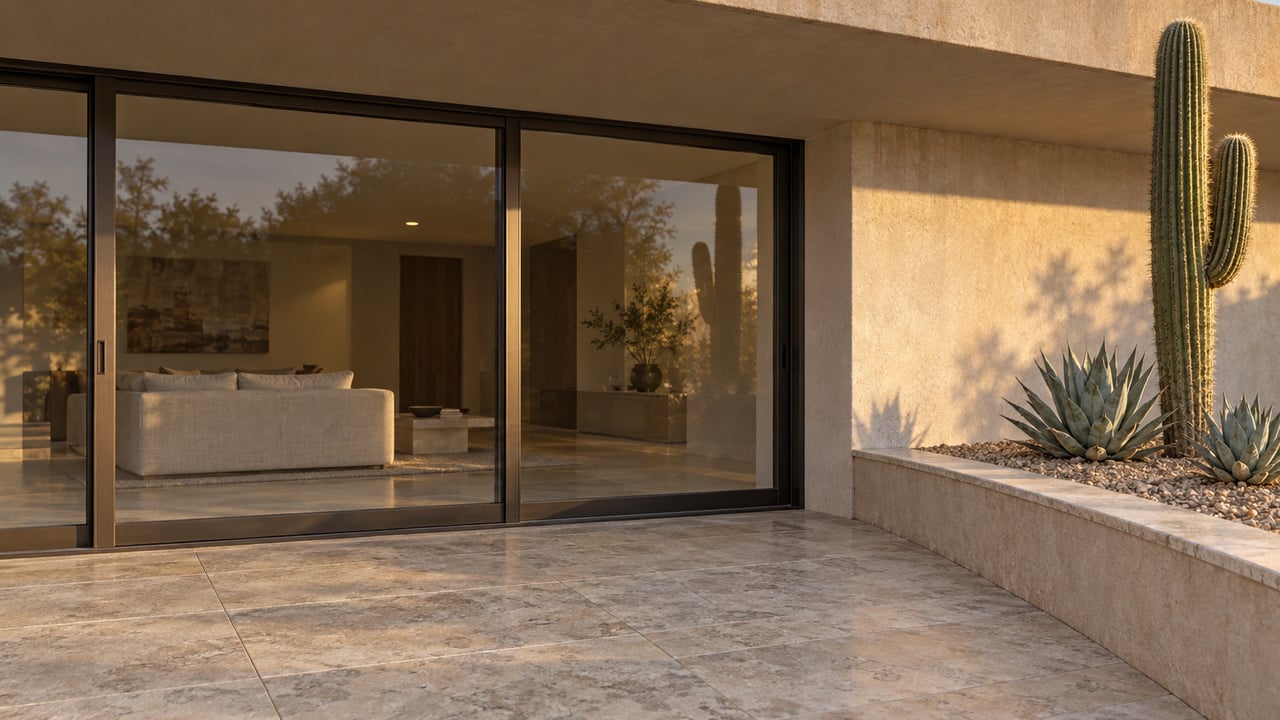
Water-wise landscaping also matters in Tucson. The Arizona Department of Water Resources and the City of Tucson encourage low-water-use, desert-adapted plants, efficient drip irrigation, and water harvesting. Tucson also notes that roughly 40% of water use on properties is external, which makes efficient, well-maintained landscaping both practical and appealing.
Keep the landscape true to place
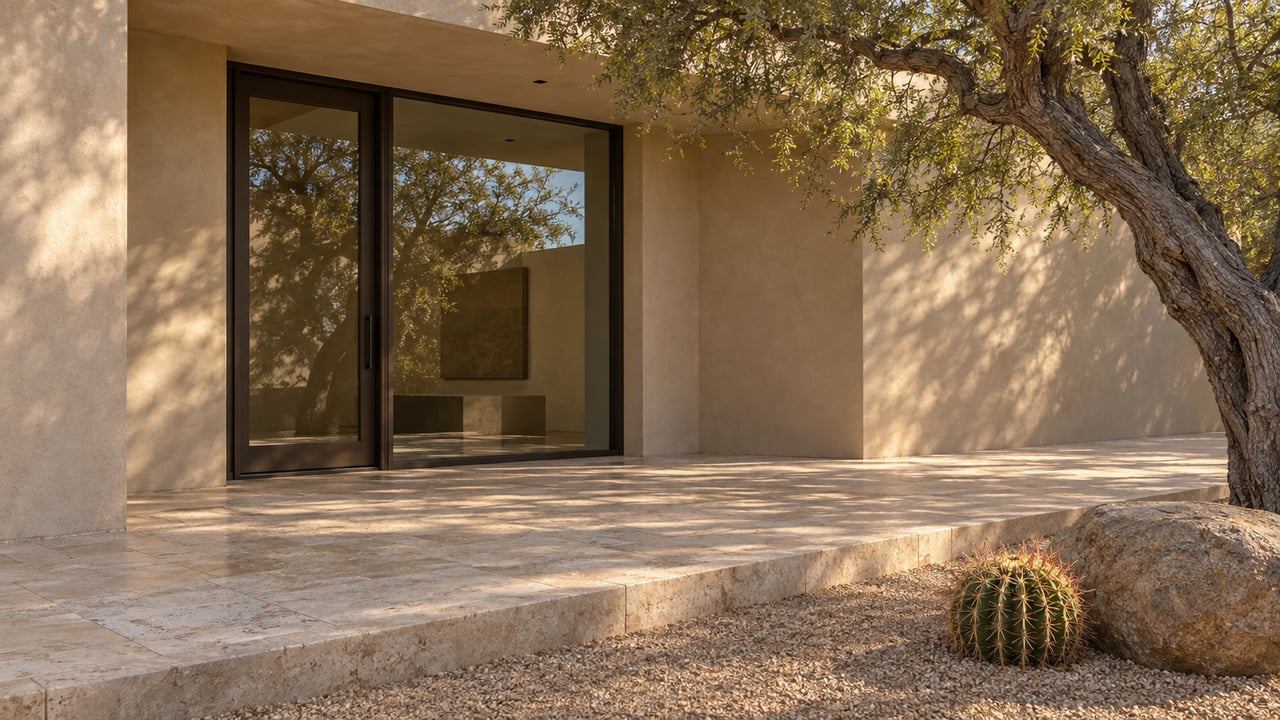
Pima Canyon buyers are often drawn to homes that feel intentional within the Sonoran Desert setting. The Catalina Foothills Association design guidance emphasizes architecture that is harmonious with the desert rather than repetitive or out of place. For sellers, that supports updates and landscaping choices that feel site-sensitive, restrained, and consistent with the home’s design.
If you are considering exterior paint, hardscape changes, new fencing, or significant planting work, confirm whether your parcel is subject to CC&Rs or HOA review first. Pima County HOA information notes that recorded HOA rules can be obtained from the Recorder’s Office, and community rules may affect items like colors, heights, setbacks, architectural details, and protection of natural habitat.
Do not overlook curb appeal and fire safety
Luxury buyers notice maintenance quickly. A clean exterior signals care, while visible neglect can raise questions about the rest of the property.
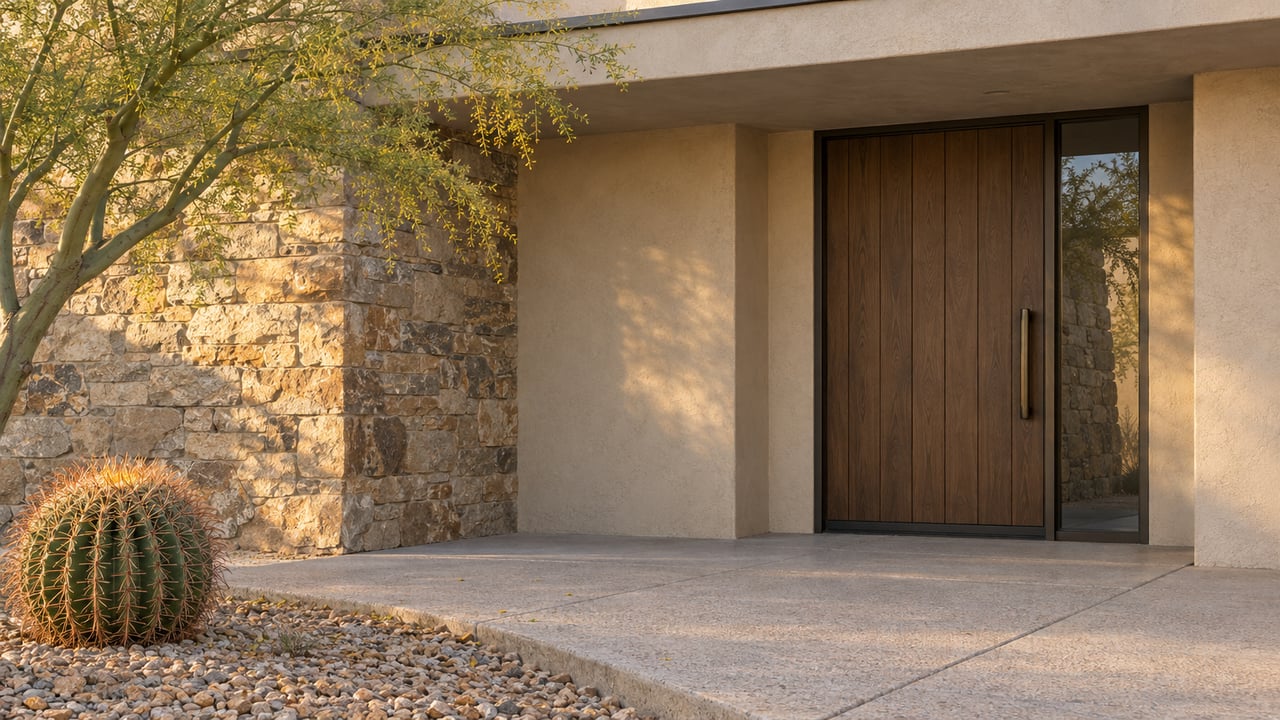
That is one reason curb appeal should be part of your pre-listing checklist. In the NAR outdoor features report, 92% of REALTORS recommended improving curb appeal before listing, and 97% said it is important in attracting a buyer. Even simple steps like refreshed gravel, trimmed plantings, clean walkways, and a well-kept entry can strengthen first impressions.
In the foothills, fire-safety prep also matters. Pima County’s wildfire mitigation guidance says mitigation is a year-round priority, and the University of Arizona homeowner wildfire guide supports pre-fire home and landscape work that improves survivability. Before listing, removing dead material near the home and making sure the exterior reads as well maintained can help your property show better and reflect responsible upkeep.
Consider a pre-listing inspection
A pre-listing inspection is not mandatory for every seller, but it can be a useful tool in a custom-home market. The goal is simple: reduce surprises and give yourself time to decide what is worth fixing before a buyer is involved.
According to NAR, pre-listing inspections can help sellers uncover issues such as roof, plumbing, or electrical concerns before the home hits the market. NAR also notes that not every home needs one, so the decision should depend on the property’s age, condition, and complexity.
Tucson REALTORS also notes that due diligence may include items such as termites, dry rot, asbestos, faulty structure, roof condition, septic tests, and well tests where applicable. For a Pima Canyon home, especially one with custom features or a longer ownership timeline, knowing where you stand in advance can help you negotiate from a stronger position.
Price with precision, not optimism
One of the biggest mistakes in a slower luxury market is starting too high and chasing the market down. Because the buyer pool is smaller at this price point, overpricing can limit early momentum and extend days on market.
That is why pricing in Pima Canyon should come from a narrow set of relevant luxury comparables, with close attention to views, lot placement, condition, architecture, and outdoor living quality. Tucson-wide numbers provide context, but they do not define value in this niche market. The broader Tucson market data and the national luxury report both suggest a market that still rewards quality but gives buyers more time and more choices.
In other words, polished presentation and disciplined pricing work together. When your home enters the market looking sharp and priced from the right comparable set, you give buyers a reason to act rather than wait for a reduction.
Build a launch plan around presentation
A strong launch is more than putting a sign in the yard. In a custom foothills community, the story of the home matters, and that story should be built around the features buyers already value most.
That usually includes:
- Clear emphasis on mountain, desert, or city views
- Photography that captures indoor-outdoor living
- Thoughtful staging in the most visible rooms
- A pricing strategy grounded in true local luxury comparables
- Early attention to condition issues that could slow a sale
Tucson REALTORS notes that REALTORS can provide current market information, evaluate competing properties, recommend cosmetic improvements, coordinate due diligence, and market a home through MLS and cooperative networks. In a niche market like Pima Canyon, that professional guidance can help you make smarter choices before the listing goes live.
If you are preparing to sell in Pima Canyon, the goal is not to do everything. It is to do the right things in the right order so your home enters the market with clarity, confidence, and a presentation that fits its setting. For a complimentary neighborhood valuation and personalized consultation, connect with Judy Smedes & Kate Herk.
FAQs
What should sellers update first before listing a Pima Canyon home?
- Start with the entry, main living spaces, primary suite, and outdoor areas, since staging research shows buyers respond most strongly to the rooms where they picture daily life.
How important are views when selling a home in Pima Canyon?
- Views are a major selling theme in Pima Canyon, and current listing patterns highlight mountain, desert, and city views along with large windows and outdoor living.
Should Pima Canyon sellers complete major renovations before listing?
- Not always. Research supports selective updates and maintenance-driven improvements more than broad remodeling unless the home has obvious dated areas or deferred maintenance.
Do Pima Canyon sellers need to check HOA or CC&R rules before exterior changes?
- Yes. If your property is governed by CC&Rs or an HOA, exterior changes such as colors, hardscape, fencing, or major landscaping may require review or approval.
Is a pre-listing inspection worth it for a Pima Canyon home sale?
- It can be, especially for custom homes or properties with age, complex systems, or potential maintenance concerns, because it may help you address issues before they affect negotiations.
How should a Pima Canyon home be priced for today’s market?
- It should be priced from a narrow set of relevant luxury comparables within the submarket rather than from Tucson-wide median prices, with careful attention to condition, views, lot, and presentation.